
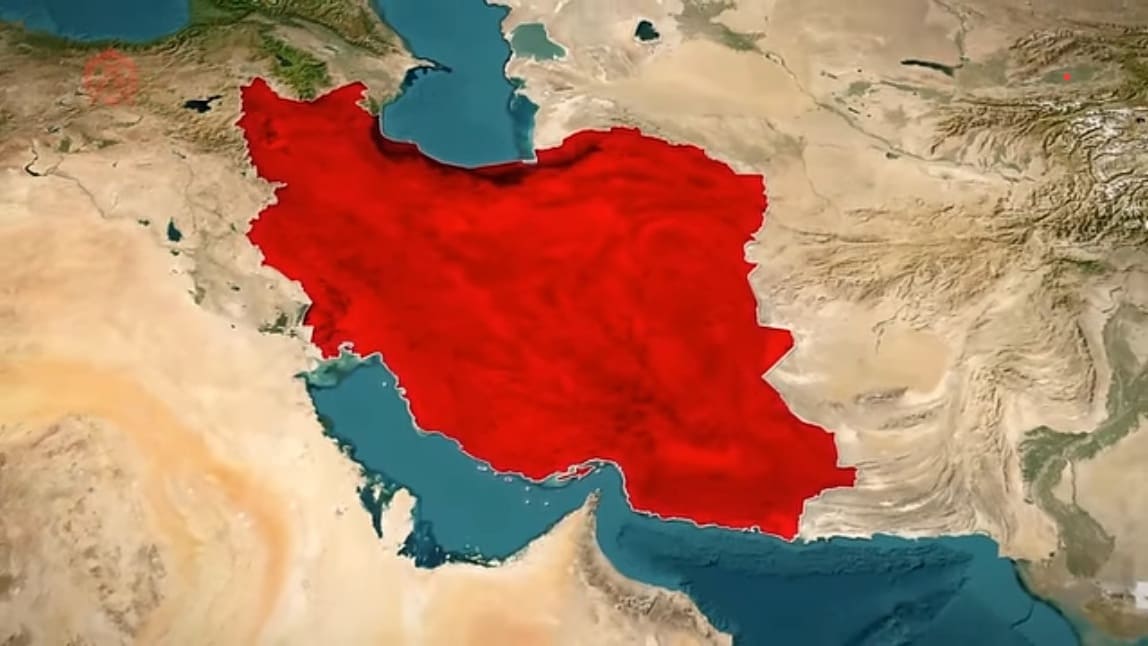
Iran, officially known as the Islamic Republic of Iran, is one of the most influential countries in the Middle East. Also known as Persia, this nation has a long and rich history that spans thousands of years. While often associated with political tensions and global issues, Iran holds significant cultural, geographical, and natural wealth that deserves attention.
Geography and Landscape
Located in Western Asia, Iran shares borders with seven countries, including Iraq, Turkey, and Afghanistan, as well as the Caspian Sea to the north and the Persian Gulf to the south. The Strait of Hormuz, one of the world’s most critical oil trade routes, lies within its maritime territory.
Iran is divided into 31 provinces, with its capital, Tehran, located in the north-central region. Other major cities include Mashhad in the east, a key saffron trade center, and Isfahan in central Iran, known for its cultural heritage.
Topographically, Iran features a mix of mountains, deserts, and high plateaus. The Zagros Mountains in the west and the Alborz Mountains in the north serve as significant natural barriers. Mount Damavand, a dormant volcano, is the tallest peak in the Middle East. Iran also hosts two major deserts—Dasht-e Kavir and Dasht-e Lut—in its central plateau.
Resources and Economy
Iran is the second-largest oil producer in the Middle East after Saudi Arabia. Around 60% of its oil reserves lie near the Persian Gulf, totaling about 125 billion barrels, which accounts for 10% of global reserves. Iran produces approximately 4 million barrels per day.
Besides oil, Iran is rich in mineral resources like zinc and copper. Fertile river valleys support agriculture, with major products including pistachios, saffron, and various fruits. Iran is also the world’s leading producer of caviar, sourced from sturgeon in the Caspian Sea.
Culture and Society
Iran has a population of approximately 89 million, making it the second most populous country in the Middle East after Egypt. About 62% of its population is ethnically Persian, followed by Azeris (16%), Kurds (10%), and smaller groups such as Arabs, Baluchis, and Lurs.
The official language is Persian (Farsi), also spoken in Afghanistan and Tajikistan with distinct dialects. Iran is the largest Shia Muslim country, and Shia Islam plays a central role in national identity.
Culturally, Iran is rich and diverse. Nowruz, the Persian New Year celebrated on March 21, is recognized by UNESCO as an intangible cultural heritage. Iranian art includes music, literature, calligraphy, and crafts—especially Persian carpets, renowned for their quality and value.
Political and Social Structure
Iran operates a unique political system that combines republican elements with a theocracy. While the president is elected, the Supreme Leader—an Islamic cleric—holds ultimate authority. This structure, known as Wilayat al-Faqih (Guardianship of the Islamic Jurist), grants clerical leaders both political and religious power.
Social rules are strictly enforced. For example, women are required by law to wear the hijab in public. The death of 22-year-old Mahsa Amini in 2022, allegedly due to improper hijab use while in custody, sparked nationwide protests, especially among women demanding greater freedoms.
Iran on the Global Stage
Iran maintains complex international relations. It has close ties with Syria, Russia, and Venezuela and exerts influence in Iraq, Lebanon, and Yemen through Shia-affiliated groups. Iran’s foreign policy often reflects its post-1979 revolutionary ideology, which still shapes its alliances and rivalries.
Despite tensions, Iran’s younger generation is pushing for reform. With widespread digital literacy and a strong presence on social media, many young Iranians are challenging traditional norms and advocating for change.
Looking Ahead
With over 70% of the population under 30, Iran’s future lies in the hands of its youth. Despite strict regulations and economic challenges, many young Iranians aspire to build a more open and peaceful society.
Iran stands as a nation rooted in ancient traditions, yet increasingly influenced by modern global dynamics. Its strategic location and resource wealth ensure that Iran remains a key player on the international stage.***
Tim Redaksi