
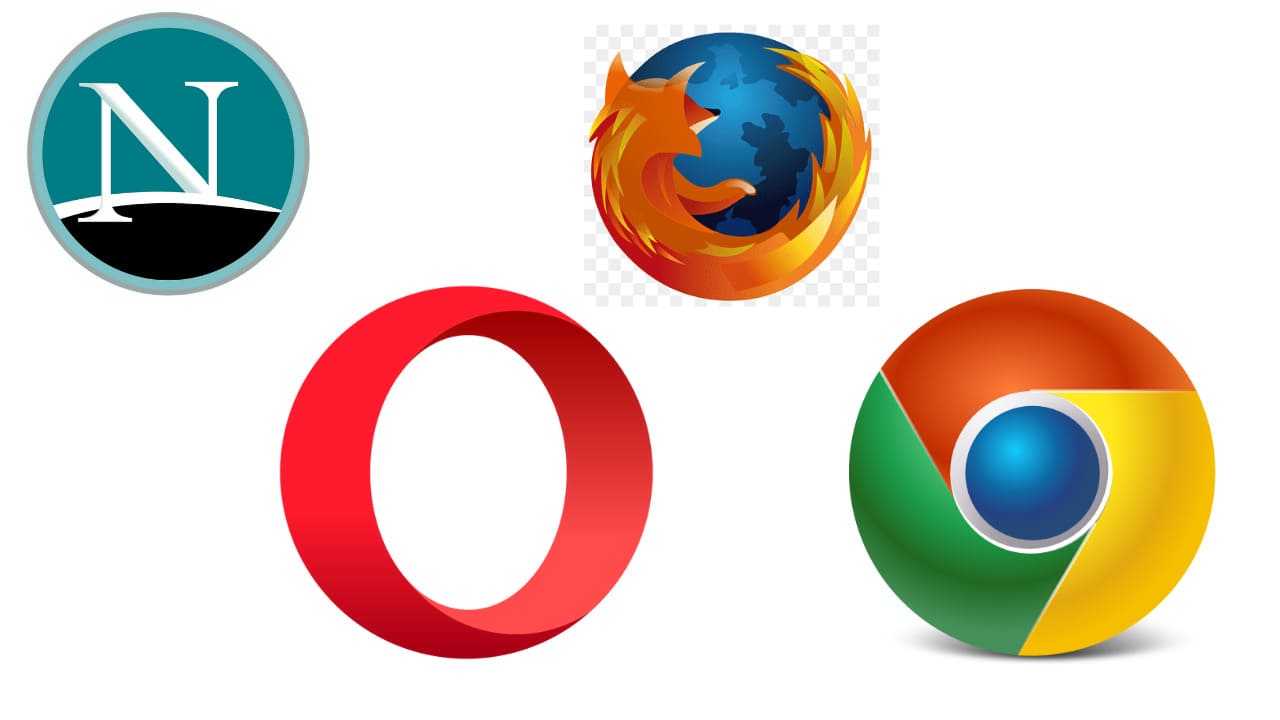
Portal Pantura – The digital world we know today is inseparable from the evolution of internet browsers. Behind the fast search results and sleek interfaces lies a long history of fierce competition, corporate strategy, and technological innovation.
The Beginning: When the Internet Was Still Black and White
In the late 1980s to early 1990s, the internet was nothing like it is today. Web pages only displayed plain text on black-and-white screens. There were no images, interactive buttons, or streaming videos. Accessing files required complicated protocols like FTP, and you had to know the exact address.


Back then, the internet was mostly used by educational institutions, research labs, and the military—far from the public’s reach.
The Emergence of the World Wide Web
Everything changed when Tim Berners-Lee, a scientist at CERN, created the World Wide Web—a hyperlink-based information system that allowed documents to be connected. He also developed the first browser called WorldWideWeb, later renamed Nexus. Though still limited, it marked the beginning of a more accessible internet.
Mosaic: The Visual Internet Breakthrough
In 1993, a team from NCSA in the U.S. released Mosaic, the first browser capable of displaying text and images on the same page. This innovation sparked a revolution, bringing the internet to a broader audience. Mosaic was available on various operating systems, making it more accessible to the public.

Netscape: The First Browser King
Some Mosaic developers went on to establish Netscape Communications and launched Netscape Navigator in 1994. It was fast, lightweight, and compatible. During the early internet boom, Netscape dominated with over 80% market share.
But Netscape’s glory was short-lived.
Internet Explorer: Microsoft Strikes Back
Seeing the internet’s potential, Microsoft released Internet Explorer (IE) in 1995 alongside Windows 95. The browser was bundled into the operating system, making it automatically available on new computers.
This strategy proved effective. Gradually, users shifted from Netscape to IE. Microsoft managed to crush Netscape, but not without legal consequences—facing an antitrust lawsuit from the U.S. government over monopoly practices.
Firefox: The Community Strikes Back
As IE stagnated, former Netscape developers formed the Mozilla Foundation. In 2004, they launched Firefox—a fast, stable, and customizable browser. Many users, disappointed with IE’s performance, began to switch. Firefox became a symbol of resistance against browser monopoly.
Chrome: Google’s New-Style Domination
Google entered the scene in 2008 with Chrome. The browser offered blazing speed, a minimalist design, and strong integration with Google services. Its marketing was clever, including an online comic book that piqued public curiosity.
Chrome soared quickly. Users began abandoning Firefox and IE. Within a few years, Chrome became the new browser king, dominating global market share.
The Comeback: Chromium Era and Privacy Battles
Things continued to evolve. Microsoft eventually dropped IE and released a Chromium-based Edge in 2020. The result was impressive—fast performance and attractive features.
Meanwhile, alternative browsers began to rise. Brave focused on privacy protection, blocking ads and trackers. Vivaldi offered high customization. Even DuckDuckGo launched a browser prioritizing anonymity and security.
Who Will Survive the War?
Today, Google Chrome still leads with over 60% of global market share. But privacy concerns and data control have prompted some users to seek alternatives.
Browsers are no longer just tools to surf the web. They are the gateway to nearly all activities—from work and entertainment to shopping and learning.
The long journey of internet browsers is a tale of innovation, corporate strategy, and how humanity connects to the digital world. And this war is far from over. The question now is: which browser do you choose?

■ Untuk informasi liputan dan press release hubungi WhatsApp 081717188880.