
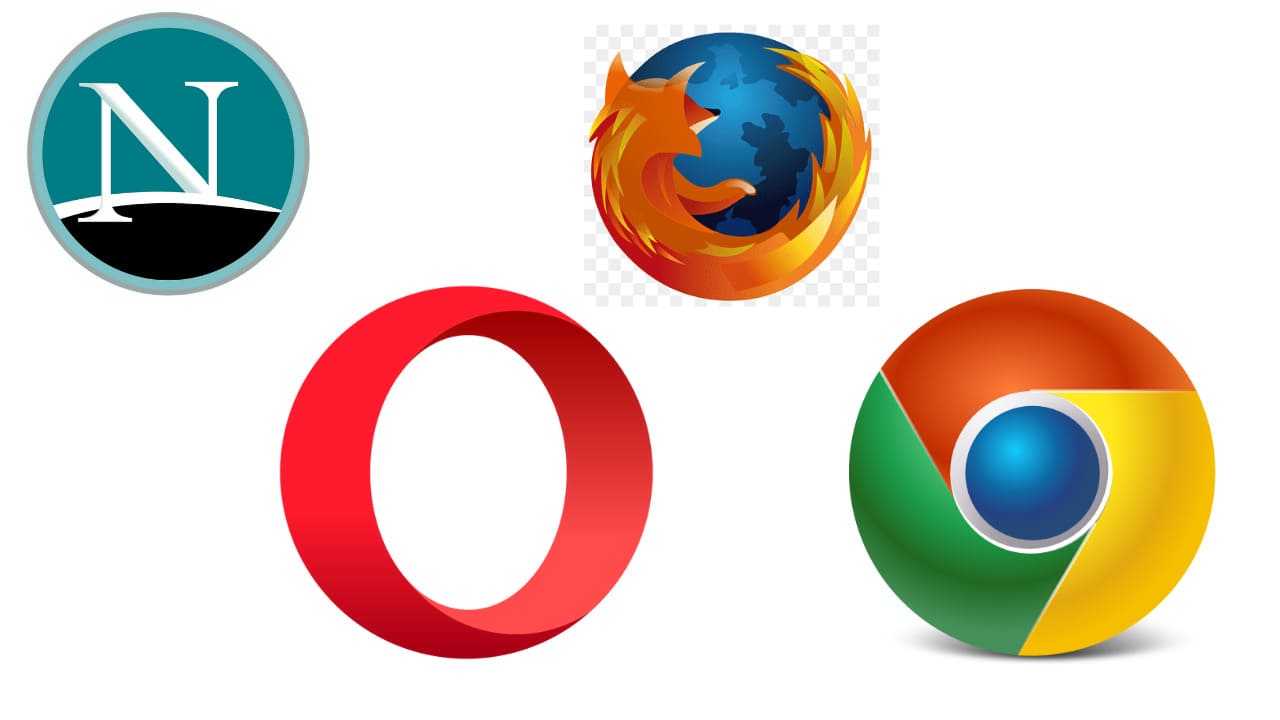
But Netscape’s glory was short-lived.
Internet Explorer: Microsoft Strikes Back
Seeing the internet’s potential, Microsoft released Internet Explorer (IE) in 1995 alongside Windows 95. The browser was bundled into the operating system, making it automatically available on new computers.

This strategy proved effective. Gradually, users shifted from Netscape to IE. Microsoft managed to crush Netscape, but not without legal consequences—facing an antitrust lawsuit from the U.S. government over monopoly practices.
Firefox: The Community Strikes Back
As IE stagnated, former Netscape developers formed the Mozilla Foundation. In 2004, they launched Firefox—a fast, stable, and customizable browser. Many users, disappointed with IE’s performance, began to switch. Firefox became a symbol of resistance against browser monopoly.
Chrome: Google’s New-Style Domination
Google entered the scene in 2008 with Chrome. The browser offered blazing speed, a minimalist design, and strong integration with Google services. Its marketing was clever, including an online comic book that piqued public curiosity.

Chrome soared quickly. Users began abandoning Firefox and IE. Within a few years, Chrome became the new browser king, dominating global market share.
The Comeback: Chromium Era and Privacy Battles
■ Untuk informasi liputan dan press release hubungi WhatsApp 081717188880.